
-
Colonel
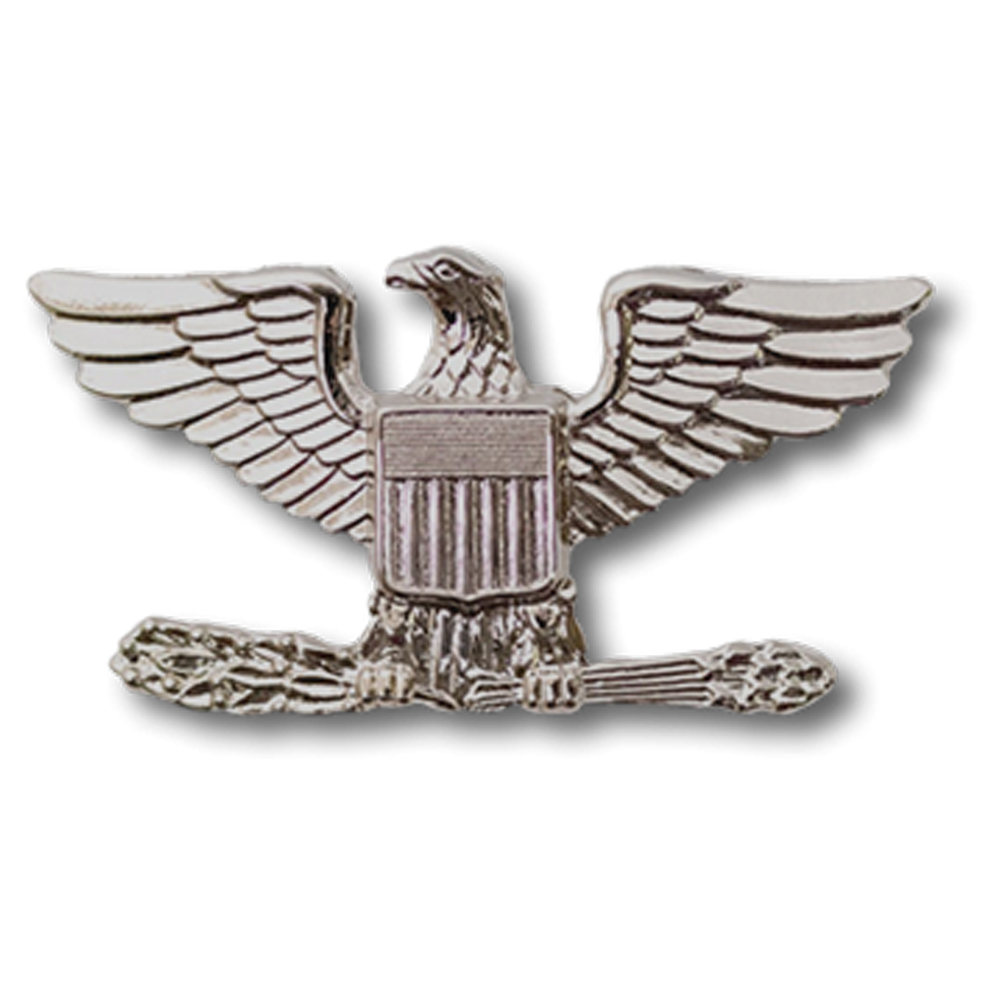 O6 | COL
The Colonel has one job only, to Command the Brigade. His is the final word on all things. His responsibility is all encompassing and all consuming. In short, he signs the checks.
-
Lieutenant Colonel
 O5 | LTC
The primary function of Lieutenant Colonels is to serve as commanders of battalion-sized elements. Although, they can also serve as staff officers at the brigade level or above, aiding in the planning, resourcing, and functioning of units.
Lieutenant Colonels generally serve as commanders of battalions and are the final authority on everything that occurs in that battalion, recognized as responsible for everything the battalion does or fails to do.
-
Major
 O4 | MAJ
The Major is a Field Grade officer, one who is proven at all levels and can now be trusted with responsibilities that span the whole Regiment. The Major can serve as the Battalion Commander, Battalion Executive Officer, Brigade Staff Officer, or even Brigade Executive Officer. All eyes are on the Major, for he assists the leadership of the Division in all areas.
-
Captain
 O3 | CPT
To be promoted to Captain is to be the standard of excellence as a Company Commander and an Officer. The Captain enjoys universal respect from his Soldiers and fellow Officers and has made the Division a better place because his Company has been made ever stronger
-
First Lieutenant
 O2 | 1LT
The First Lieutenant has proven him/herself as a competent Platoon Leader and a trusted part of Command Staff. He has earned the confidence of his Soldiers and continues to improve his Platoon, Company and the Division as a whole.
-
Second Lieutenant
 O1 | 2LT
As the PV2 is the junior Soldiers and the CPL is the junior NCO, the Second Lieutenant is a junior Commissioned Officer, learning what it means to no longer wear stripes. Second Lieutenants are freshly minted Platoon Leaders, and do well to take heed the advice of the First Sergeant and also their Platoon Sergeant. They also have a seat at the table of Command Staff, but also do well to listen more than speak.
-
Officer Candidate
 E5 | OCS
Candidate School (OCS) is the U.S. Army's main training academy for prospective Army Officers. The school is generally open to qualified enlisted non-commissioned officers. Candidates who successfully complete the rigorous, 1 to 3 months school receive formal commissions as U.S. Army Officers and assume the ability to command Soldiers.
-
Chief Warrant Officer 5
 W5 | CW5
Master-level technical and tactical experts that support brigade, division, corps, echelons above corps, and major command operations. They provide leader development, mentorship, advice, and counsel to WOs and branch officers. CW5s have special WO leadership and representation responsibilities within their respective commands.
-
Chief Warrant Officer 4
 W4 | CW4
Senior-level experts in their chosen field. They primarily support battalion, brigade, division, corps, and echelons above corps operations. CW4s typically have special mentorship responsibilities for other WOs and provide essential advice to commanders on WO issues.
-
Chief Warrant Officer 3
 W3 | CW3
Advanced-level experts who perform the primary duties that of a technical and tactical leader. They provide direction, guidance, resources, assistance, and supervision necessary for subordinates to perform their duties. CW3s primarily support operations levels from team or detachment through brigade.